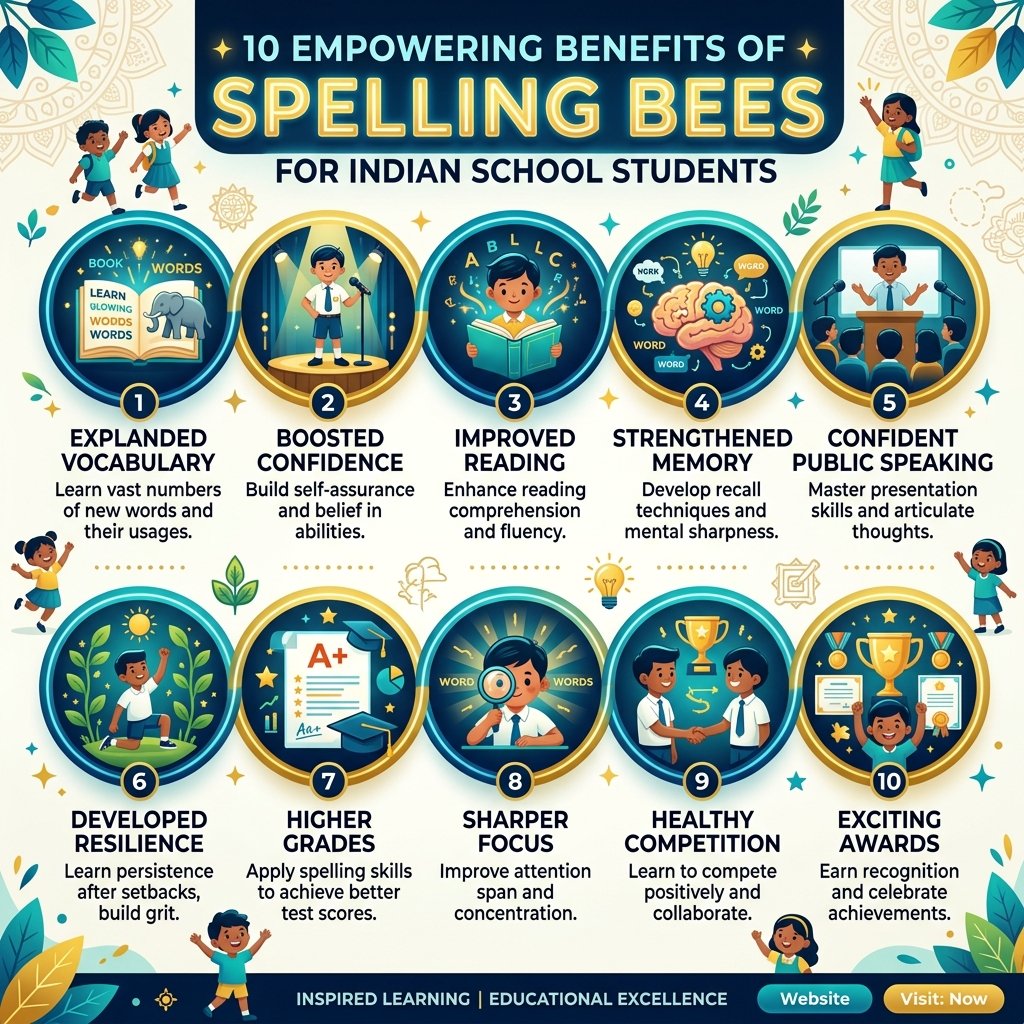
In an era of autocorrect, voice assistants, and AI writing tools, some parents and educators have begun to question whether teaching spelling still matters. The science is clear: learning to spell correctly does make children smarter � it develops the neural pathways and cognitive skills that underpin intelligence across multiple domains. Here is what the research tells us.
Spelling Is a Window into Language Architecture
When a child learns to spell a word, they are not simply memorizing a sequence of letters. They are:
- Mapping the relationship between spoken sounds (phonemes) and written symbols (graphemes)
- Understanding the word's structure (morphology)
- Making connections to related words
- Processing the word's meaning (semantics)
This multi-layered cognitive activity engages large areas of the brain simultaneously. Neuroscientific research using brain imaging has shown that skilled spellers activate language processing areas more efficiently and extensively than poor spellers. The act of learning to spell literally rewires the brain.
Spelling Mastery and Reading Comprehension
One of the most consistently replicated findings in reading research is the strong positive relationship between spelling ability and reading comprehension. Children who spell well read better. When a child can spell a word correctly, they can also recognize it instantly when reading � freeing up working memory to focus on comprehension rather than decoding.
This is why VOLKS Spelling Bee students consistently report improvements in their reading and academic performance after participating in the competition program.
The Vocabulary-Intelligence Connection
Research in cognitive psychology has established that vocabulary size is one of the best predictors of general academic achievement and measured intelligence. A larger vocabulary means a child can access more complex ideas, understand more sophisticated texts, and express themselves with greater precision. Spelling bee programs are, at their core, intensive vocabulary development programs � which means they are directly building the cognitive foundation of academic intelligence.
Writing Quality and Spelling
Children who spell confidently write better. When a child is uncertain about spelling, their attention is consumed by the mechanical challenge of getting words onto paper correctly. This leaves less cognitive bandwidth for the higher-order thinking involved in structuring arguments and developing ideas. By automating spelling through practice, children free their minds to focus on what they are actually trying to say.
Phonological Awareness: The Foundation of Literacy
Phonological awareness � the ability to hear, identify, and manipulate the individual sounds in spoken language � is the single most important prerequisite for learning to read and write. Spelling instruction is one of the most effective ways to develop phonological awareness because it forces children to analyze the sound structure of words explicitly. This is why early participation in programs like VOLKS Language Programs has a measurable positive impact on literacy development.
Why Structured Programs Beat Incidental Learning
Some educators argue that children pick up spelling naturally through extensive reading. While reading certainly contributes, research consistently shows that structured, explicit spelling instruction produces significantly better outcomes. VOLKS Spelling Bee's program exemplifies this approach � providing expert-designed, systematically sequenced study materials that teach not just word lists but the underlying patterns, rules, and structures of English spelling.
Invest in Spelling. Invest in Intelligence.
The children who invest time in learning to spell correctly will be better readers, better writers, better thinkers, and ultimately more capable adults.
Register Your Child Why VOLKS?